
Don’t Be A Slave To Your Colour Palette
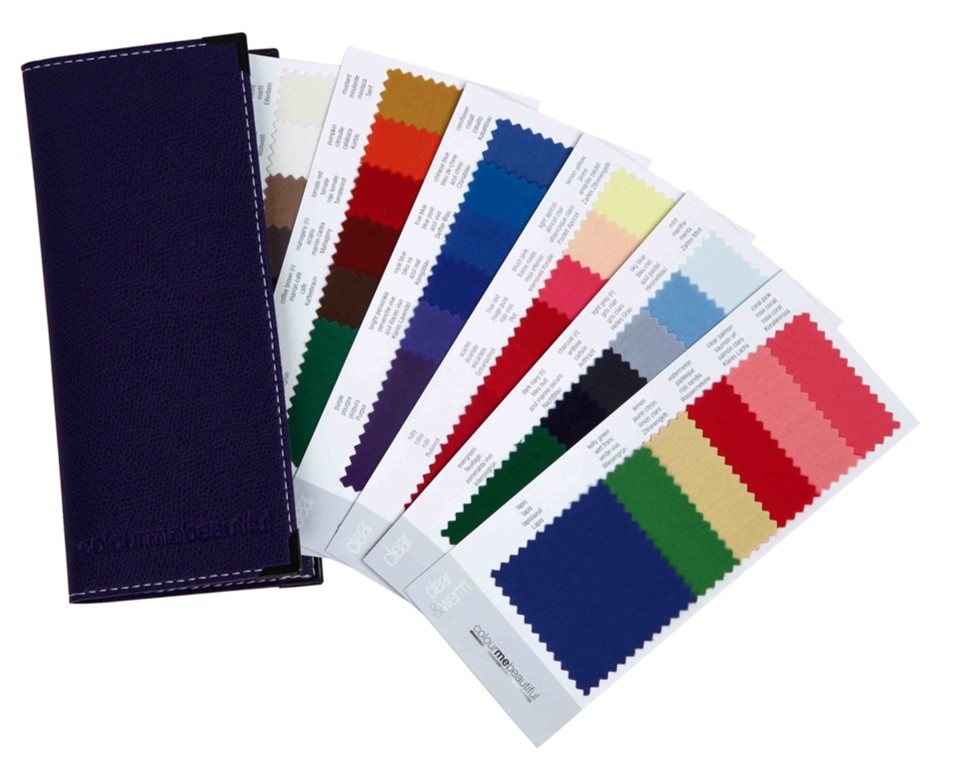
One of the questions I’m asked most often after a colour consultation is:
“Am I only allowed to wear these colours now?”
The answer is an emphatic no. Quite apart from anything else, you’re an adult and can wear whatever you please!
However, as a colour consultant, I genuinely believe that understanding your best colours is one of the most valuable things you can do for your wardrobe. Wearing colours that complement your natural colouring can make you look healthier, brighter and more vibrant. They can soften the appearance of lines, reduce shadows and even help you look as though you’ve had a great night’s sleep!
But your colour palette should be a guide, not a rule book.
Your Colour Palette Isn’t a Prison
I’ve occasionally met women who have become so worried about wearing the “wrong” colour that they’ve stopped enjoying getting dressed altogether.
They’ll pick up a beautiful dress, love the style, feel amazing in it… and then put it back because it’s not in their palette.
To me, that’s missing the point entirely.
Your colour palette is there to help you make better choices more often. It’s designed to make shopping easier, not more restrictive.
If around 70–80% of your wardrobe consists of colours that naturally flatter you, you’ll probably find everything works together beautifully. But that doesn’t mean every single item has to tick every box.
Fashion should still be fun.
We Don’t Respond to Colour with Our Eyes Alone
One thing colour analysis can never measure is the emotional connection we have with colour.
Certain colours carry memories.
Perhaps bottle green reminds you of your rather unattractive school uniform. Maybe mustard takes you back to a sofa your parents owned in the 1970s. Bright orange might remind you of a holiday in Italy where you felt happier than you’d felt in years.
Those emotional associations matter.
Colour psychology tells us that colours can influence how we feel, but our personal experiences shape those feelings even more. If a colour makes you smile, feel confident or reminds you of a wonderful time in your life, that’s worth paying attention to. Likewise, if your “perfect” colour reminds you of an unhappy period or simply makes you feel uncomfortable, there is absolutely no reason to force yourself to wear it.
Your Style Personality Matters Just as Much
Colour is only one piece of the style puzzle.
The clothes you wear should also reflect who you are.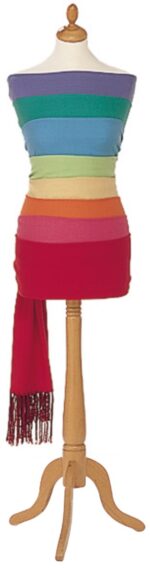
If your palette contains lots of soft, muted shades but your personality is bold, creative and dramatic, you may naturally be drawn towards brighter colours with more energy.
Equally, if you’re someone who loves calm, understated elegance, you may prefer gentle neutrals even if brighter colours technically suit your colouring.
Neither approach is wrong. My aim is to provide you with a palette of colours that work beautifully for you.
The most stylish women aren’t necessarily those wearing their “perfect” colours every day. They’re the women whose clothes feel authentic.
When your clothing reflects your personality, you naturally carry yourself with more confidence—and confidence is always attractive.
Looking Good Is About More Than Colour
As a personal stylist, I always remind my clients that colour is just one element of creating a wardrobe they love.
Other factors often have an even bigger impact, including:
- Wearing styles that suit your body shape and proportions.
- Choosing fabrics that feel comfortable and flattering.
- Finding the right fit.
- Expressing your personality through your clothes.
- Dressing appropriately for your lifestyle.
- Feeling comfortable and confident in what you’re wearing.
A perfectly coloured outfit that doesn’t feel like “you” will never look as good as an outfit that makes you stand a little taller and smile when you catch your reflection.
There Are Always Ways to Make a Colour Work
Perhaps you’ve fallen in love with a coat in a colour that’s outside your palette.
Should you leave it behind?
Not necessarily.
There are plenty of ways to wear less flattering colours successfully.
You might keep them away from your face by choosing them for trousers, skirts or shoes. You could add a scarf or necklace in one of your best colours, or wear a flattering lipstick that brings life back into your complexion.
Sometimes the style, quality or sheer joy a garment brings is worth making those small adjustments.
Never Wear a Colour Simply Because Someone Told You To
This is probably the most important message I’d like to leave you with.
Don’t wear colours you dislike simply because they’re in your palette.
If you hate lime green, don’t buy it just because it’s one of your “best” colours.
If navy makes you feel smart, capable and elegant – even though charcoal may technically be slightly more flattering – wear the navy.
If bright pink lifts your mood every time you put it on, enjoy it.
Your wardrobe should make you feel like the very best version of yourself.
The Real Goal
The purpose of colour analysis isn’t to create limitations. It’s to give you knowledge.
Once you understand why certain colours flatter you, you’re free to make informed choices. Sometimes you’ll choose the most flattering option. Other times you’ll choose the colour that makes your heart sing.
Both are perfectly valid.
After all, true style isn’t about following rules. It’s about understanding them well enough to know when you can happily break them.
My Final Thought
After more than fifteen years of helping women discover their best colours, I’ve learned that the happiest and most stylish clients aren’t the ones who follow every guideline perfectly.They’re the women who use their colour palette as a guide, rather than a straightjacket. They understand what suits them, but they also trust their instincts. Because at the end of the day, the best colour you can wear is the one that makes you feel confident, comfortable and unmistakably you.